Frances F Yang
Bridging quantum computing and computer vision — from quantum optimization to robust geometry and machine learning.
About Me
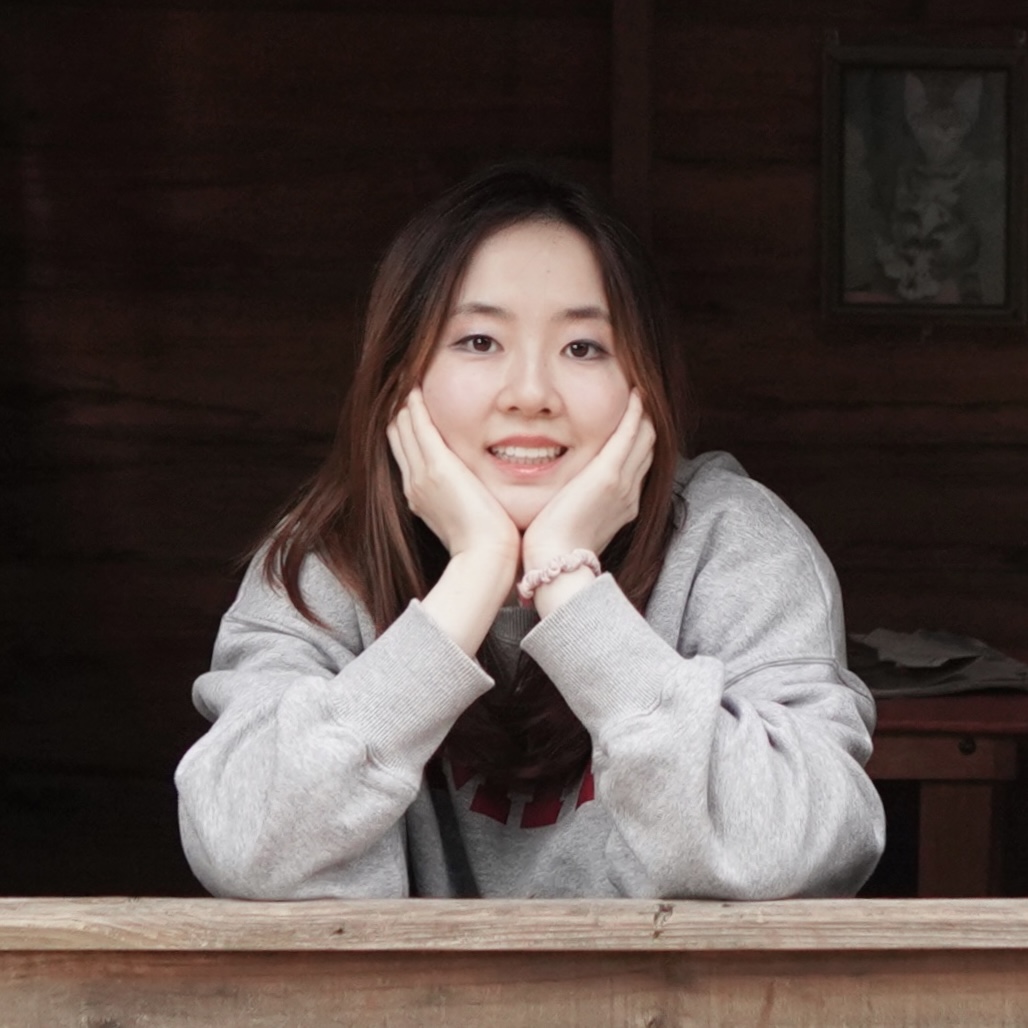
Frances Yang is a final-year PhD candidate at the Australian Institute for Machine Learning (AIML), The University of Adelaide, supervised by Prof. Tat-Jun Chin and Prof. Frank Neumann. Completing her PhD in 2026, she focuses on developing quantum algorithms for foundational problems in machine learning and computer vision, with a particular emphasis on quantum-enhanced geometric reasoning and optimization. She has experience working with both annealing-based and gate-based quantum platforms and has implemented scalable solutions for perception and decision-making tasks.
Frances is eager to join a team advancing quantum hardware, where she can contribute to showcasing hardware capabilities and improving quantum-classical workflows through rigorous algorithmic benchmarking and performance analysis. With a strong foundation in algorithm development, hands-on Python programming, and experience translating research into practical systems, she brings a deep commitment to pushing the boundaries of quantum computing in real-world applications.
Featured Publications
2024
2023
Research Directions
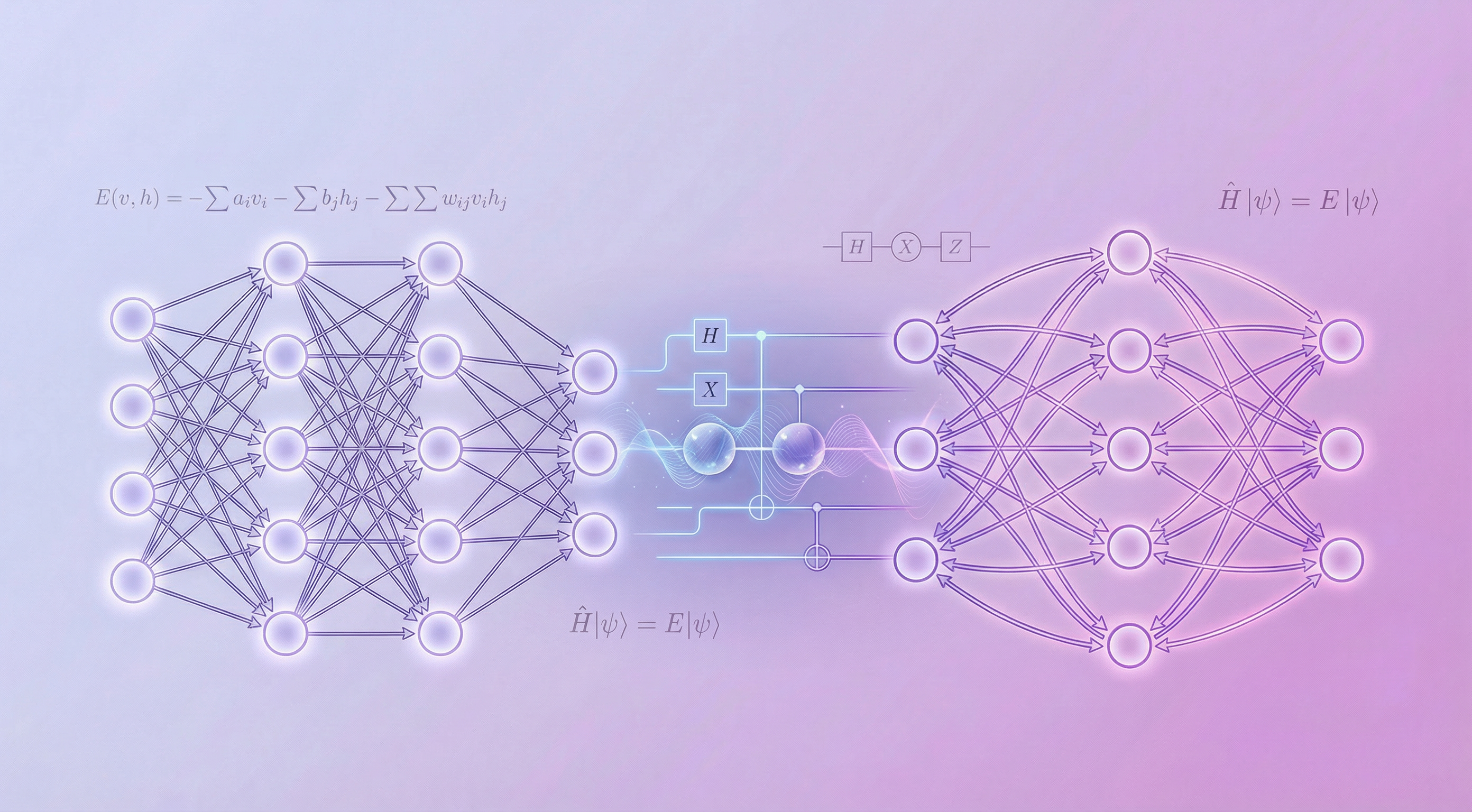
Quantum Machine Learning
I develop quantum-assisted learning methods that leverage quantum sampling for training. Representative projects include training multilayer perceptrons via quantum annealing-based sampling, and optimization with binary gradients on quantum annealers.
Quantum Computer Vision
I study how quantum computation can enhance core vision primitives, especially geometric estimation. A key project is demonstrating robust fitting on a real gate-model quantum computer, targeting practical quantum advantage for geometric reasoning pipelines.
Quantum Hardware Benchmarking
I benchmark quantum hardware and quantum-classical workflows with an algorithmic lens: scalability, robustness, and end-to-end performance. This includes systematic solver comparisons and device-aware evaluation across annealing and gate-based platforms.